Why a capsule still works in 2026
The idea of a capsule wardrobe isn’t new, but in 2026 it finally makes emotional sense. Shopping happens in tabs and feeds, not fitting rooms, and most of us don’t have time to micromanage outfits every morning. A tight edit of pieces that work together is less about minimalism and more about decision relief: fewer choices, sharper outcomes, and a closet where almost everything actually gets worn.
A capsule also builds a filter for new purchases. Every piece has to earn its slot by pairing with what you already own, which keeps impulse buys from piling up. The result is a wardrobe that feels calmer, travels easier, and lets you dress in five minutes without sacrificing taste.
The 12 pieces that do the heavy lifting
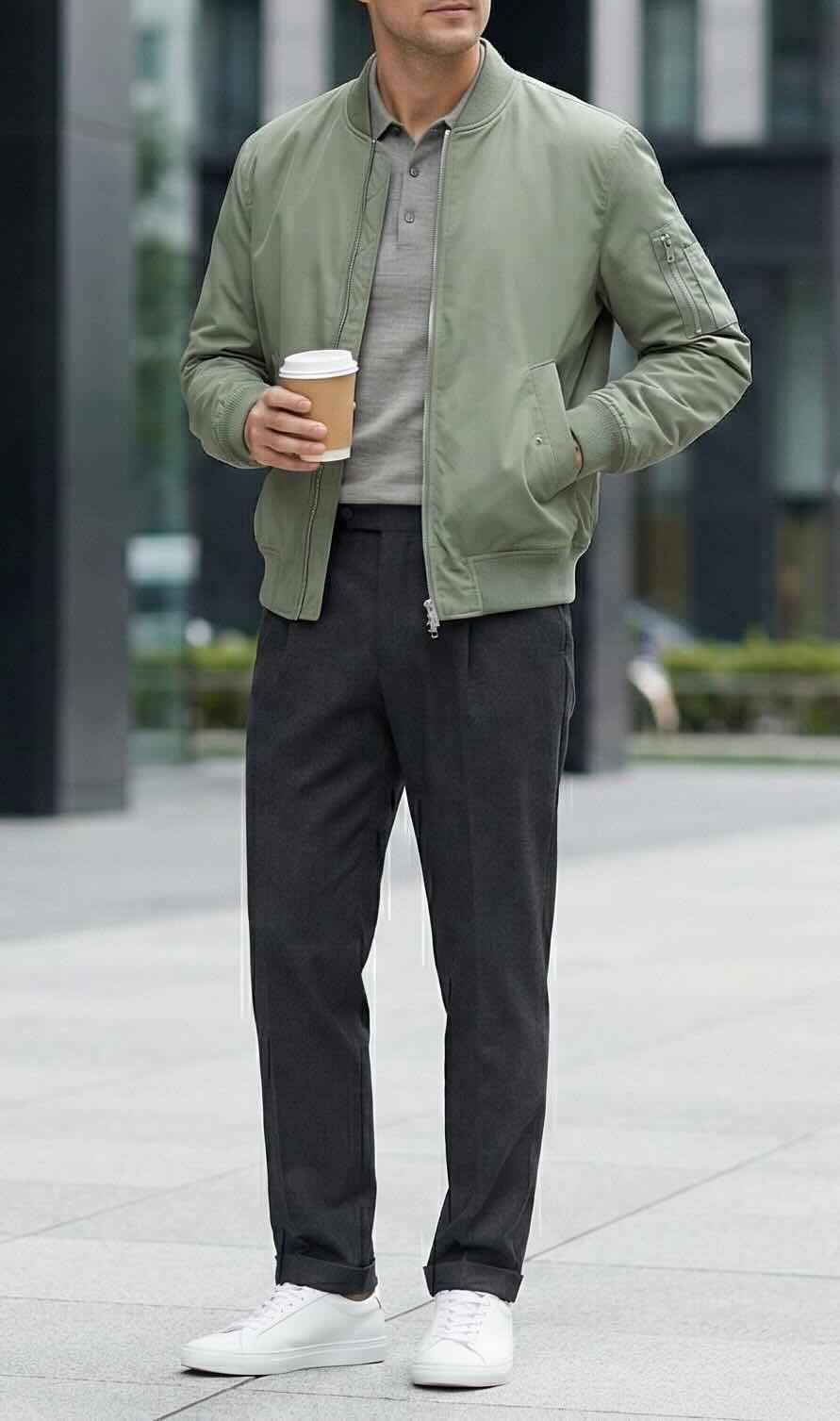
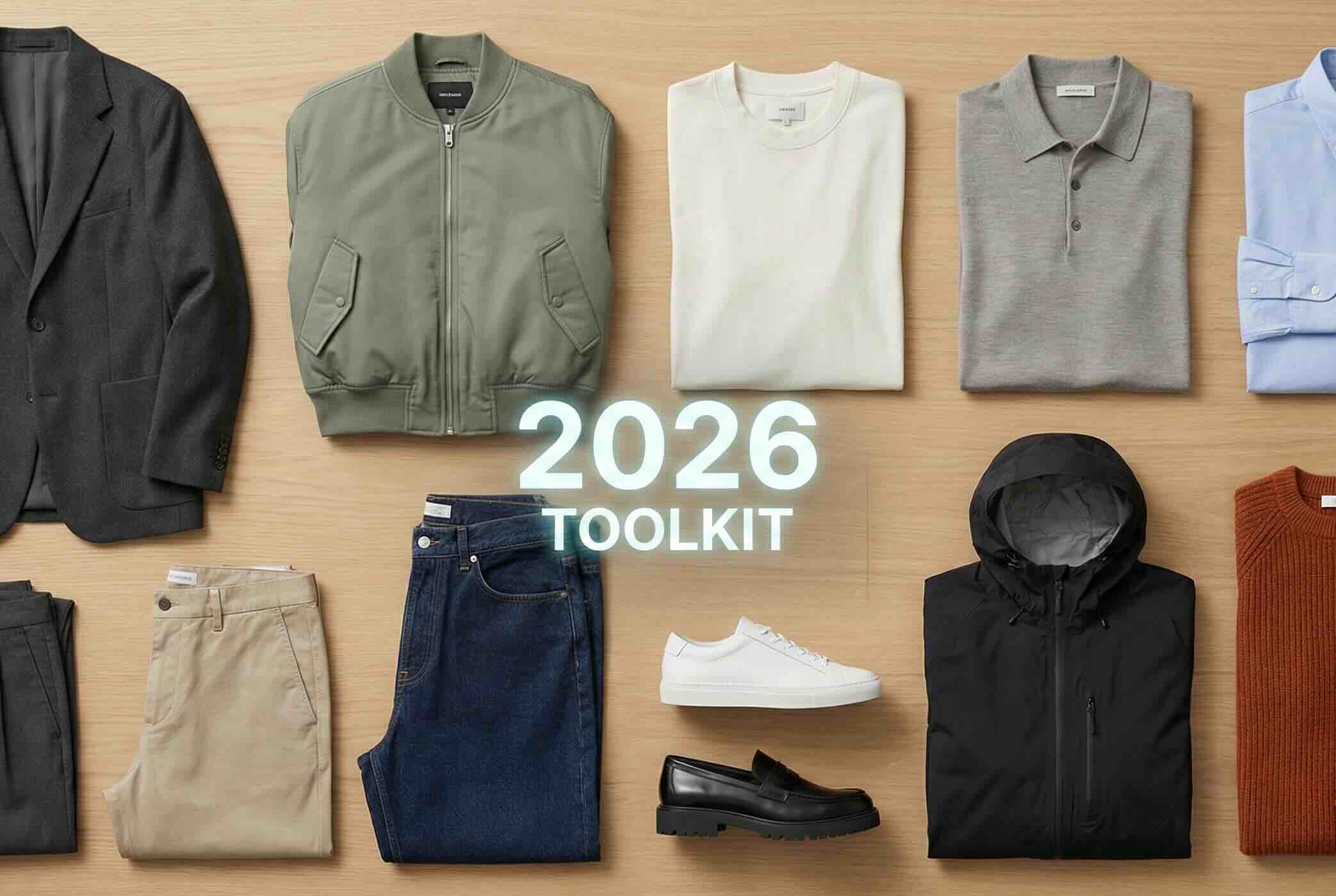
Think of your capsule as a toolkit, not a uniform. Two outer layers cover most climates: a soft-shouldered blazer that looks at home over a tee or a shirt, and a cropped bomber that adds structure to looser bottoms. Three tops—one heavyweight tee, one merino polo, and one relaxed oxford—layer cleanly under either jacket without bunching at the arms. On the bottom, a pleated trouser, a tapered chino, and a wide-leg jean give you three completely different silhouettes while sharing the same shoes.
A sleek leather sneaker and a lug-sole loafer handle everything from coffee runs to casual dinners. Round it out with two wildcards: a truly weather-proof shell and a statement knit that makes even the plainest outfit feel deliberate. If you travel, make one of those layers packable and unlined so it can scrunch into a tote without creasing; if you commute, prioritize pockets that sit flat and don’t balloon when you add keys or earbuds.
Color choices that mix on autopilot
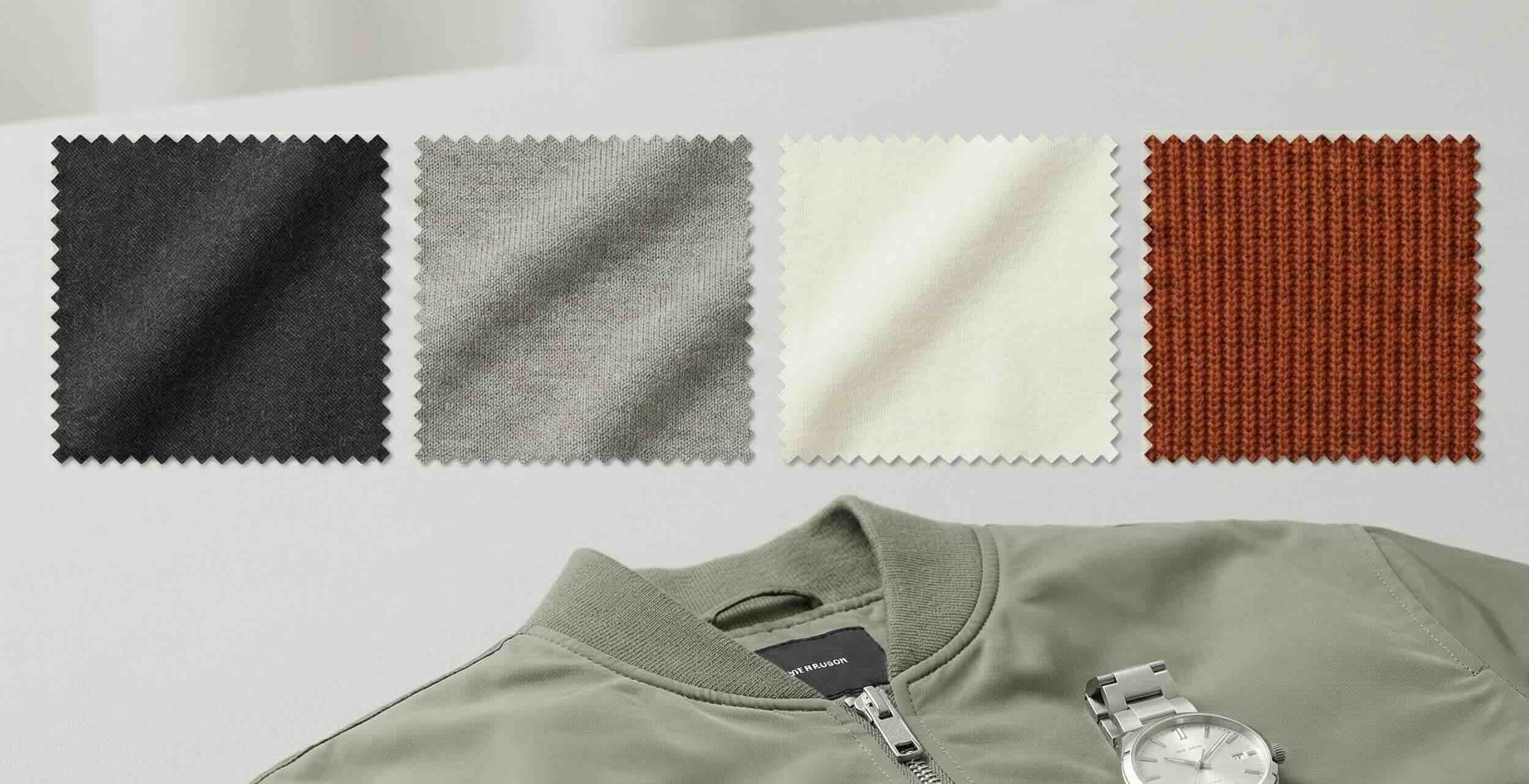
Most capsules fall apart at color, not quantity. Pick three neutrals—say charcoal, stone, and off-white—and one accent that feels like you. Those base tones should all be able to touch each other without clashing, which means you can stack layers without thinking. Your accent lives in knitwear, accessories, or outerwear: a sage sweater, a rust scarf, or a deep navy bomber that repeats through the week.
To keep things sophisticated, match your metals. If your belt buckles are silver, let zippers, jewelry, and even watch hardware follow suit so the whole look reads as one story. When in doubt, lay three pieces flat on a bed and snap a photo—if any color shouts, swap it for a quieter shade and retake the picture until the palette calms down.
Fit rules that survive real life
Every capsule lives or dies on fit. Outer layers should hover just beyond your natural shoulder—about half a centimeter—so you can slip a hoodie or oxford underneath without pulling at the upper arm. Trousers should skim the top of your shoe, with a small break that straightens when you walk; on wide legs, adding a subtle cuff gives the hem enough weight to fall cleanly.
For tops, watch the side seams: if they angle toward the front, the chest is working too hard, and the fabric will ripple under jackets. When you stick to these simple checkpoints, the same 12 pieces can handle travel, office days, and evenings out without ever looking like a compromise. These measurements also make tailoring straightforward—your alterations tailor only needs to adjust sleeve, hem, and waist to lock in the whole capsule.